


The Reggio Emilia approach inspires us to learn alongside our students, with curiosity and wonder.
What is the Reggio Emilia
Philosophy?

Reggio refers to the philosophy of early childhood education that originated in Reggio Emilia, Italy.
This educational approach was founded by the visionary teacher and humanitarian, Loris Malaguzzi, after the devastation of World War II.
Children are naturally curious, intelligent and full of potential.
BELIEF IN CHILDREN


This approach begins with a strong and optimistic view of children, believing that the child is born with infinite capability, creativity and intelligence.
Malaguzzi expresses the infinite ability of children through his poem “The Hundred Languages”.
INFINITE ABILITY

See a video tribute to Loris Malaguzzi’s “The Hundred Languages” from our school, Tree Top Academy in Jupiter, Florida.
COLLABORATION
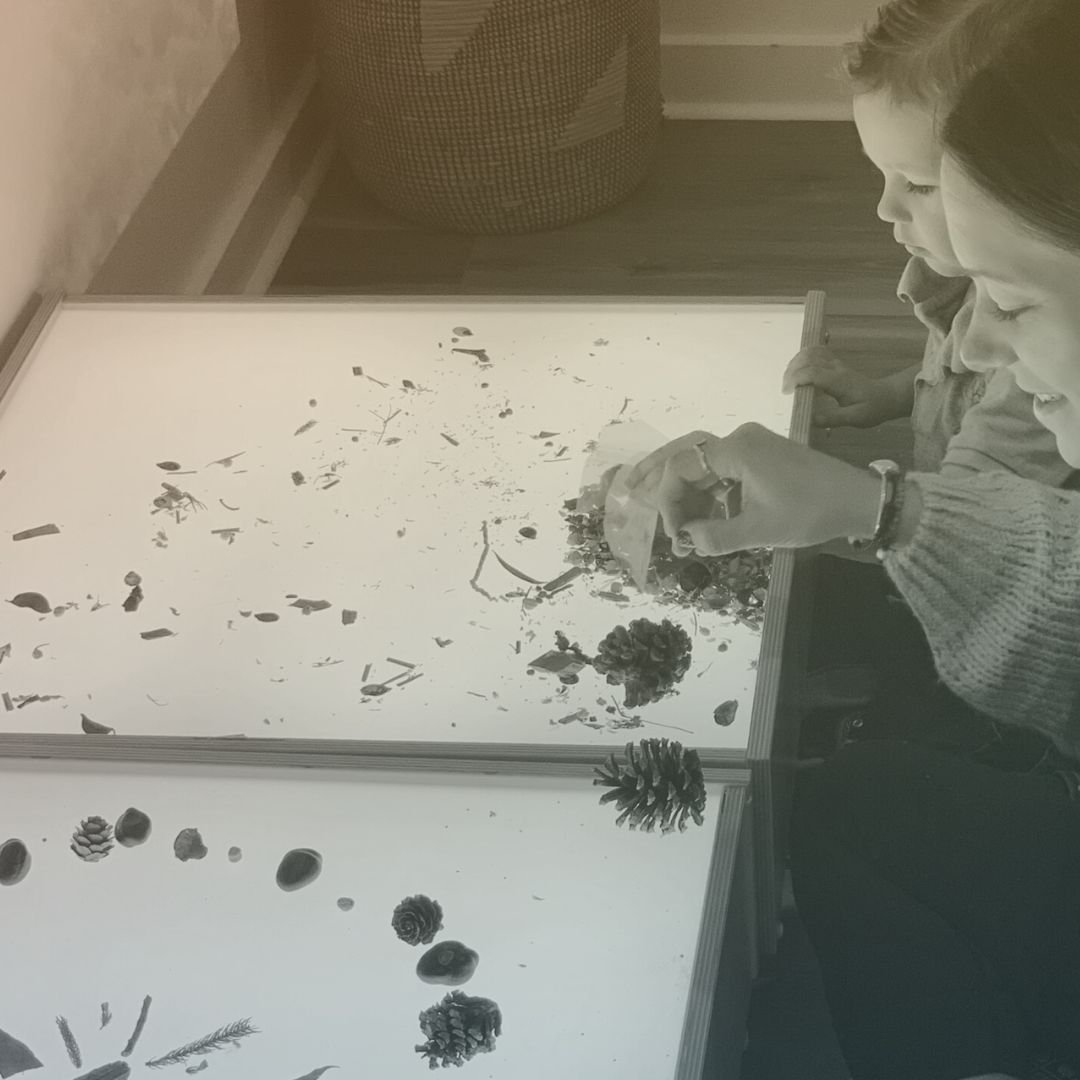
Teachers are seen, not only as an instructor, but as a co-learner and collaborator
Teachers actively and mutually participate in the learning experience with the children, resulting in real enthusiasm and curiosity by everyone in the classroom.
MUTUAL LEARNING
The layout of the environment promotes relationships, collaboration, and exploration
ENVIRONMENT

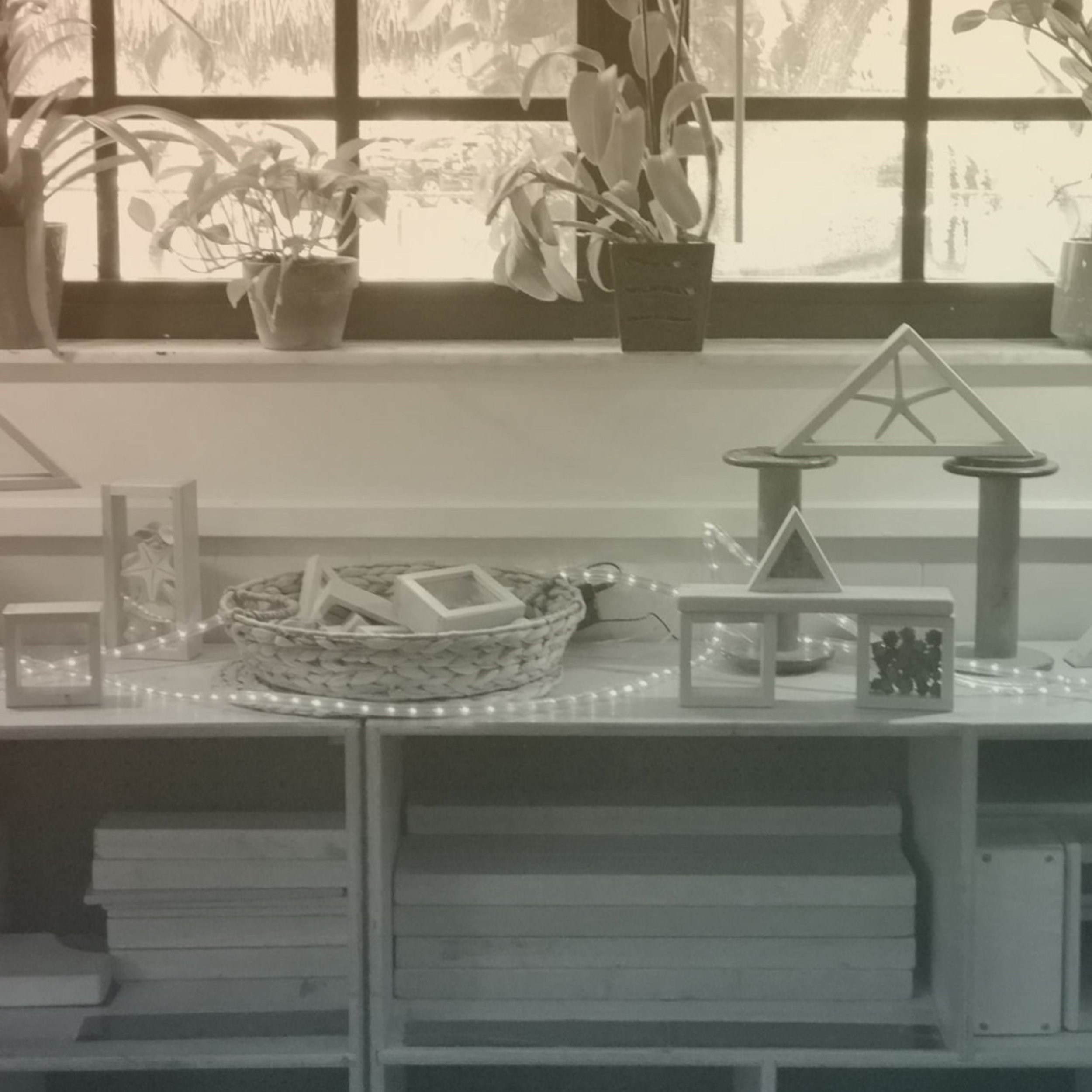
Every space within our school has its own identity and purpose. Materials and furnishings are thoughtfully chosen and places to evoke interactions with people and with things.
THOUGHTFUL DESIGN
Art as a way to process information, explore ideas and express emotions


“Children become even more curious, interested, and confident as they contemplate the meaning of what they have achieved.”
— Loris Mallaguzzi
Documentation is a standard part of the classroom.Visual representations created by the children serve as resources for further exploration and are treated with respect.
DOCUMENTATION OF LEARNING

A vital component of our school culture is family involvement. Family involvement is a valuable resource that can take many different forms within the school.
SCHOOL FAMILY